
Pic: Flickr.
London, East and South East (LESE) TUC, a collection of trade union and trades council delegates covering a region of two million members, held its AGM on Saturday 18 April 2026. Upon arrival, I was greeted by the large Morning Star stall which had set itself up at the back of the conference hall and was enthusiastically handing out papers about Starmer’s imminent resignation…
A set of colourful ballot papers presented candidates for the Executive (EC), who had all submitted statements ahead of time. The ballot was technically competitive, in that 17 candidates had run for the 16 available TU seats, 4 for 3 black member reserved seats etc.
The general secretary’s speech was fairly solid, lots on beating Reform through union activity. When pushed on the Trade Unionists Fighting the Far Right (TUFF) letter though, he said that it was up to individual unions to decide whether to arrange for 16 May but that the TUC would not tell them what to do.
A presentation on the benefits of the Employment Relations Act was heard, although there was little mention of future steps. The general mood from the staffers seemed fairly positive towards the Labour government; the delegates largely steered away from the topic.
Three motions were moved at conference, one on ending outsourcing and supporting nationalisation, and one on the economic and compassionate benefits of supporting asylum seekers - both good.
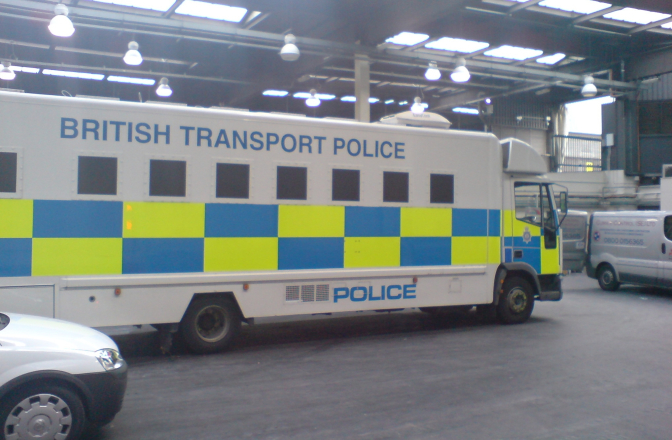
The third, a motion from the RMT calling for TUC support of their action against assaults campaign, seemed similarly promising. Five or six speakers spoke in favour of the proposal, raising real issues of staff safety with some lived experiences. Each point in the demands list was talked through, apart from this small bullet point: "Increases, not cuts, to the British Transport Police".
The conference had elected all officers (including president and two vice-presidents) unopposed, so a challenge to this motion was quite the shock to the delegates. Regardless, I raised concerns about the role of the police in strikebreaking, arresting protestors and the well documented misogyny and racism in law-enforcement. The more helpful solution of increased staff presence, an end to extra-long shifts and reduced/removed lone work was also proposed.
In response, I was told that the BTP is different from the regular police force as 1. it is primarily funded by the employer (as if this is a positive?), 2. BTP workers are unionised (so the institution is good?) and 3. that they were sorry the meeting was being held up (five minutes of a four hour meeting?). In the end, a seventy-odd to one vote left me defeated. I was surprised that a room full of socialists would support the police, but clearly there is work to be done.
Comments?We welcome replies, corrections and debate pieces. Contact us