
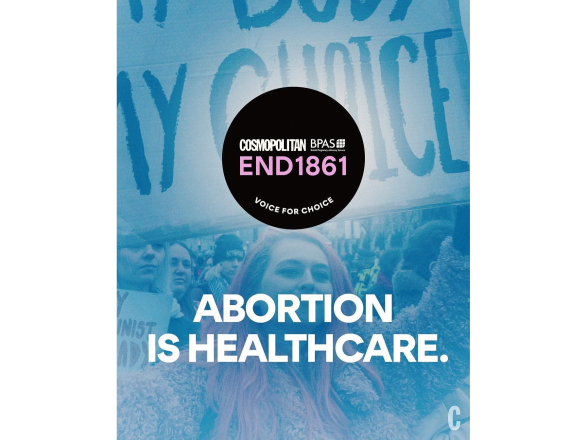
The UK is often seen as a pro-choice nation, with around 90% of British people supporting reproductive rights. Yet, this support is not reflected in law, as abortion remains criminalised under the Offences Against the Person Act 1861 - a Victorian-era law that still dictates abortion access in England, Scotland, and Wales.
The Abortion Act 1967 introduced exemptions, permitting abortion up to 24 weeks, but underneath it the 1861 law remains in force, meaning anyone self-administering an abortion or assisting one outside legal boundaries risks prosecution. Cases like Sophia Harvey - investigated for allegedly using abortion pills despite the foetus being stillborn - show how this outdated law continues to criminalise reproductive choices. Similarly, Nicole Packer, who took prescribed abortion pills during lockdown, delivered at 26 weeks and was arrested in hospital for violating laws that restrict pill-induced abortion to within 10 weeks, requiring clinical procedures beyond that point. She was later acquitted.
Westminster descriminalised abortion in Northern Ireland in 2019, but actual access there remains worse than in England.
A growing movement, led by Labour MPs Stella Creasy and Tonia Antoniazzi, seeks to repeal antiquated legislation and enshrine abortion as a protected right.
Antoniazzi’s NC1 amendment to the Crime and Policing Bill, backed by over 60 MPs, aims to decriminalise abortion without altering service provisions. Creasy’s NC17 and NC20 amendments go further - proposing a full repeal of the 1861 Act, restricting ministers from rolling back abortion rights, and enshrining abortion access as a human right. Votes are likely to come in the week starting 9 June.
Creasy’s amendment aligns closely with Workers’ Liberty’s stance: “As early as possible, as late as necessary.” While it maintains the 24-week limit, it is a crucial step toward ending the policing of pregnant people, safeguarding bodily autonomy, and ensuring abortions beyond 24 weeks do not result in custodial sentences or future political rollbacks.
However, challenges remain. Far-right figures like Nigel Farage have labelled the 24-week limit "utterly ludicrous", echoing sentiments from US-funded anti-abortion groups. Given the rise of reactionary politics, proactive support for reproductive rights is essential - not just to preserve legal abortion, but to eradicate the police-led persecution of those seeking reproductive healthcare.
With 88% of abortions occurring before 10 weeks, so-called "late-term abortions" are rare and often linked to delayed or denied access. The fight for decriminalisation is crucial - ensuring bodily autonomy remains protected, not policed.
Comments?We welcome replies, corrections and debate pieces. Contact us